
Cultural contrasts in casino experiences around the world
Cultural contrasts in casino experiences around the world
Introduction to Casino Cultures
Casinos have long served as cultural touchstones, reflecting the values, traditions, and social dynamics of the societies in which they exist. From the vibrant lights of Las Vegas to the opulent surroundings of Monte Carlo, each casino showcases unique elements that capture the essence of its locale. These establishments not only offer entertainment through gaming but also serve as venues for socializing, dining, and celebrating cultural heritage. With resources like our guide to international betting sites, understanding these contrasts enriches the gaming experience and provides a broader context for visitors and enthusiasts alike.
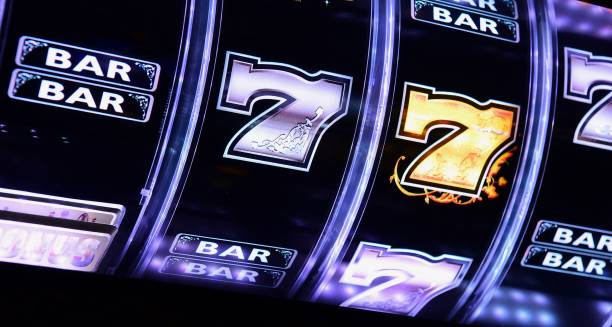
As global travel increases and cultural exchanges become more common, the way casinos operate and cater to their clientele varies significantly across different countries. This diversity is influenced by a variety of factors, including historical developments, local regulations, and cultural attitudes toward gambling. For example, while some nations embrace gambling as a form of entertainment, others remain more conservative, viewing it with skepticism or moral concern. These differing perspectives shape everything from the design of the casino to the type of games offered and the clientele that frequents them.
Moreover, as technology continues to evolve, so do the experiences offered at casinos around the world. The rise of online gambling has transformed how individuals engage with these games, allowing for new experiences that blend traditional elements with modern technology. This evolution reflects broader societal trends and preferences, making it essential to explore and understand the distinctive cultural contrasts that characterize casino experiences globally.
Casino Experiences in North America
In North America, particularly in the United States, casinos are often seen as a major tourist attraction. Las Vegas epitomizes this phenomenon, where extravagant shows, themed hotels, and high-stakes gambling create a unique atmosphere. The city is not just about betting; it’s a spectacle that offers a wide array of entertainment options, including concerts, fine dining, and nightlife. The sheer scale and ambition of the Las Vegas Strip are a testament to American culture’s embrace of entertainment and excess.
Moreover, Native American casinos have introduced another layer to the gaming landscape in North America. These establishments often reflect the cultural heritage of Indigenous tribes, showcasing native art and traditions. Many of these casinos also function as community hubs, providing economic support and social services for tribal members. This dual function of entertainment and cultural preservation highlights the contrasts in casino experiences, where gambling serves both as recreation and as a means of cultural empowerment.
Yet, this vibrant casino culture is not without its challenges. Regulatory frameworks and social attitudes toward gambling vary widely, leading to ongoing debates about the implications of expanded gaming. Some view it as a means of economic development, while others express concerns about addiction and social consequences. Thus, the North American casino scene is a complex tapestry of opportunity and caution, shaped by the diverse perspectives of its inhabitants.
European Casino Traditions
Europe boasts a rich history of casinos, with many dating back centuries. The renowned Monte Carlo Casino in Monaco exemplifies a more traditional, elegant approach to gaming. Here, visitors are often dressed in formal attire, and the atmosphere is steeped in sophistication. Unlike the flashy entertainment of Las Vegas, European casinos frequently emphasize elegance, classic games like roulette, and a more subdued experience focused on the social aspects of gaming.
Additionally, countries like Italy and France have their own unique gaming cultures. Italian casinos, for instance, often blend local cuisine and entertainment, offering a social experience that extends beyond gambling. French casinos, rooted in the origins of many games, maintain a romantic ambiance that attracts both locals and tourists. This focus on culture and experience reinforces the notion that casinos in Europe serve as social venues, where interaction and ambiance are just as important as the games played.
However, Europe also faces challenges similar to those in North America, including regulatory scrutiny and societal debates regarding gambling. The rise of online casinos and sports betting has prompted governments to reconsider their gambling laws, balancing the need for revenue against the potential for societal harm. In this context, understanding the historical and cultural significance of casinos in Europe is crucial for navigating the modern gaming landscape.
Asian Casino Markets and Influences
Asia presents a contrasting casino landscape, with regions like Macau emerging as global gaming hubs. Known as the “Gambling Capital of the World,” Macau offers a unique blend of traditional Chinese culture and modern casino entertainment. The lavish resorts and sprawling gaming floors attract millions of visitors each year, showcasing how gambling can coexist with cultural practices, such as dragon dances and culinary traditions. This fusion of old and new sets Macau apart from Western gaming destinations.
Moreover, the rise of casinos in other parts of Asia, such as Singapore and the Philippines, highlights the growing acceptance of gambling as a legitimate form of entertainment. In these countries, government regulations have paved the way for integrated resorts that offer gaming alongside shopping, dining, and other attractions. This holistic approach to entertainment emphasizes the social aspect of gambling and transforms the casino experience into a multi-faceted outing.
However, Asian casino markets are not without controversy. Concerns about gambling addiction and its societal impact have led to strict regulations and responsible gaming measures. As countries navigate these challenges, understanding the cultural significance of casinos is vital for both policymakers and stakeholders in the gaming industry. The delicate balance between economic development and cultural preservation remains a topic of discussion across the region.
Emerging Trends and Cultural Adaptations
As global perspectives on gambling evolve, casinos are beginning to adapt to modern sensibilities. Many establishments now focus on creating inclusive environments that cater to a diverse clientele. This adaptation is evident in the rise of non-gaming amenities, such as spas, shopping, and entertainment options, which appeal to a broader audience beyond traditional gamblers. By offering varied experiences, casinos aim to redefine their role as social hubs rather than mere gaming venues.
Technology also plays a crucial role in shaping the future of casino experiences. The advent of virtual reality and augmented reality in gaming is pushing the boundaries of traditional casino operations, allowing players to engage in more immersive experiences. Moreover, the integration of mobile apps and online platforms is changing how individuals interact with casinos, creating a seamless transition between online and offline gaming experiences. These trends reflect the importance of adapting to consumer preferences while maintaining cultural relevance.
Furthermore, as casinos expand globally, the blending of cultural elements becomes increasingly important. For instance, operators may incorporate local art, food, and traditions to enhance the gaming experience and resonate with the local community. This cultural sensitivity not only enhances the gaming environment but also fosters a sense of belonging and connection for patrons. As the industry continues to evolve, recognizing and respecting cultural differences will be vital for success in the global casino market.

Conclusion: Navigating the Global Casino Landscape
The diverse experiences offered by casinos worldwide highlight the rich tapestry of cultural contrasts that shape this industry. From the glitzy allure of Las Vegas to the refined elegance of Monte Carlo and the vibrant energy of Macau, each location offers a unique perspective on gambling and entertainment. As cultural attitudes toward gaming evolve, so too do the experiences that casinos provide, blending tradition with modernity and creating spaces for social interaction and enjoyment.
As you explore the fascinating world of casinos, understanding these cultural nuances will enhance your experience, whether you’re a casual visitor or a seasoned gambler. By engaging with the cultural context surrounding gaming, you can appreciate the deeper meanings and traditions that casinos embody. The global casino landscape is ever-changing, and staying informed about these shifts will ensure that your casino experiences are rich, rewarding, and culturally relevant.

Leave a Reply